

Awareness
Checks areas you cannot easily see


Oral cancer screening is a careful visual and hands-on check of the mouth and throat. During the screening, the lips, cheeks, tongue, gums, and palate are examined for sores, patches, lumps, or color changes. This makes it possible to identify areas that deserve a closer look. Canopy Dentistry in Midtown East offers oral cancer screening to support your oral health at every stage of life.
Checks areas you cannot easily see
Flags changes worth a closer look
Gentle, non-invasive examination
Peace of mind from a thorough check
Changes in the mouth often develop quietly and may cause no pain at first, which makes them easy to miss. Oral cancer screening allows our team to spot these changes early, so any area of concern can be evaluated sooner. Dr. Omoyeni takes time to explain what is seen and answer your questions, so you leave informed and reassured about your oral health.
Oral cancer screening is appropriate for adults of all ages, including those with no symptoms or dental concerns. It is especially relevant for people who use tobacco, drink alcohol regularly, or have noticed a change in the mouth that has not gone away. A family history of cancer or a long gap between dental visits can also make a screening worthwhile. Patients who have never been screened before are welcome to start.
Canopy Dentistry welcomes patients from Midtown East, Murray Hill, Grand Central, and across Midtown Manhattan who want a thorough check of the mouth and throat. Our office at 30 East 40th Street is easy to reach for local residents, office workers, and commuters.
The visit begins with a conversation about your general health and any changes you have noticed in your mouth or throat, so the screening can focus on what matters to you.
We look closely, section by section, at the soft tissues inside your mouth and the back of the throat, noting anything that appears out of the ordinary.
Using gentle pressure, the examiner feels the tissues of the cheeks, jaw, and neck for firmness or swelling, which cannot always be seen with the eye.
Findings are reviewed with you in plain language, noting areas that look healthy as well as any that stand out, so nothing is left unclear.
Where an area needs further attention, we outline the recommended next steps with you and answer any remaining questions, so you leave knowing what comes next.
The mouth is closely connected to the rest of the body, and conditions that begin there can affect general health, eating, speaking, and swallowing. Signs of other health concerns can also appear in the mouth first, so paying attention to oral tissues supports overall wellness. Ultimately, caring for your mouth is part of caring for your whole body.
Write down your questions and current medications before your visit, so nothing important is missed.
Brush for two minutes, twice a day, with fluoride toothpaste to remove plaque and protect enamel.
Clean between teeth daily with floss or interdental brushes, since brushing cannot reach these areas.
Avoid tobacco products, including cigarettes, cigars, and chewing tobacco, a known risk factor for oral cancer.
Include fruits and vegetables in daily meals and limit sugary snacks, which feed decay-causing bacteria.
Replace your toothbrush every three months, since worn bristles clean less effectively.
Check your mouth in a well-lit mirror, since changes lasting over two weeks deserve evaluation.
Canopy Dentistry offers a welcoming environment in Midtown East where each patient is listened to and treated with care. Dr. Omoyeni focuses on understanding your goals and concerns before recommending any care, so every visit feels personal. The office at 30 East 40th Street, Suite 706, makes it simple to fit a visit around a busy Midtown schedule.
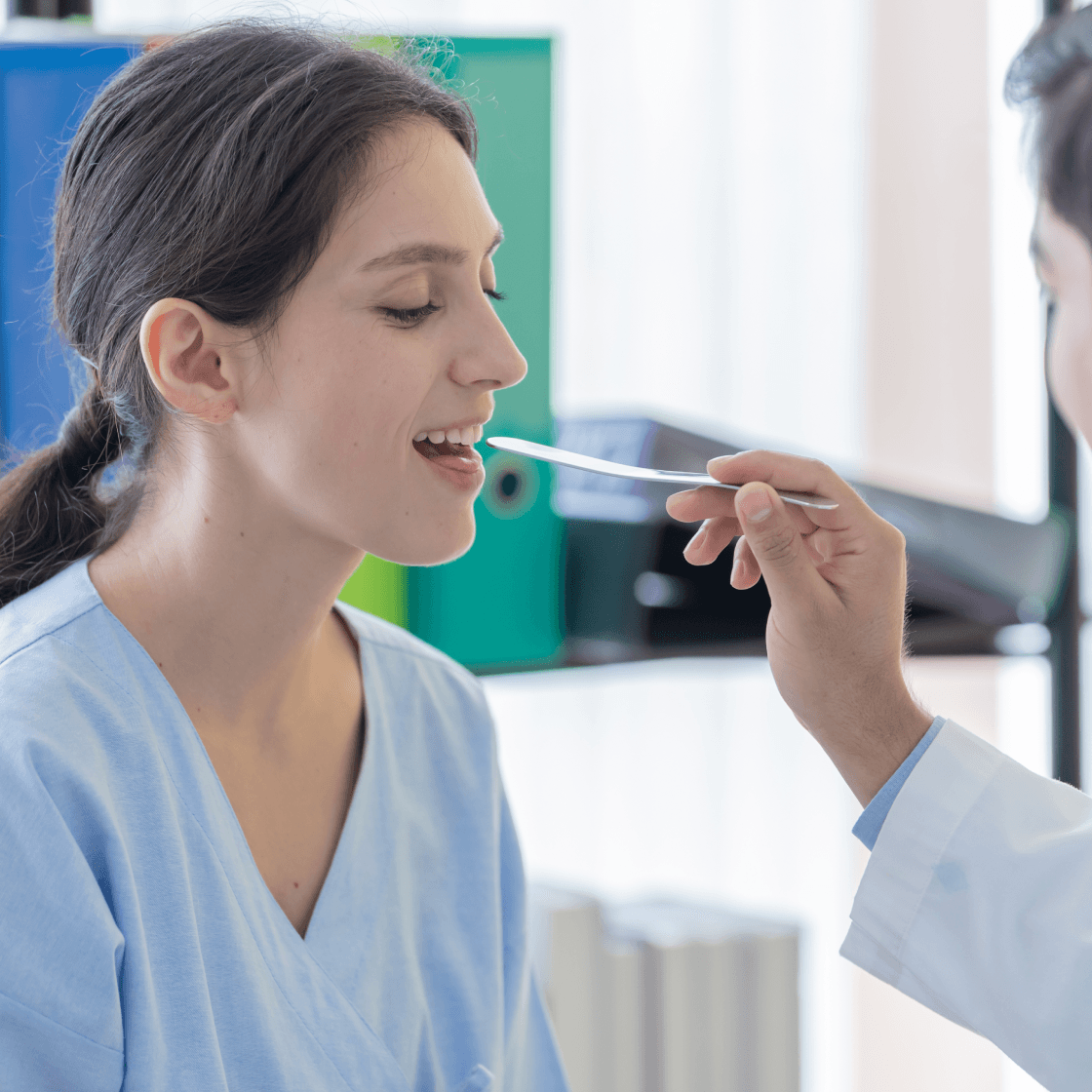
Dr. Omoyeni and our team are committed to compassionate care and patient comfort at every visit. Interested in learning more about the people behind your screening? Visit this page now!
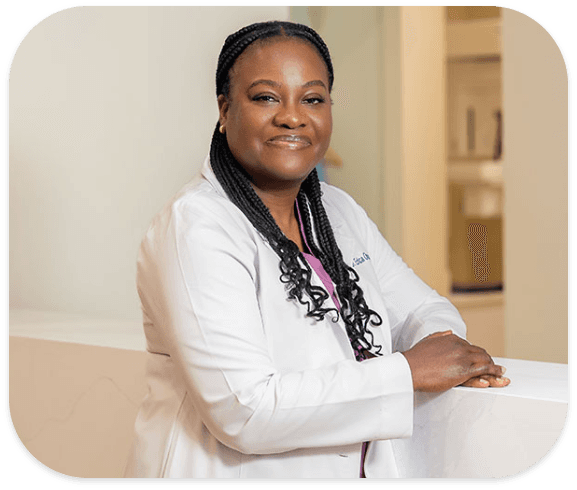

Dr. Erica and her staff at Canopy Dentistry were kind, courteous, and professional. A dental visit usually means anxiety, but they put you at ease the moment you walk in. Dr. Erica's manner is informative and reassuring. Highly recommend.
I can’t say enough about the incredible customer service and professionalism demonstrated at this office. From the warmth and welcoming energy that I received from the office manager Emmanuel, I knew that I should expect nothing but superior service.
I had a great experience for my first time visiting this dental office. From when I walked in to when I was exiting, the atmosphere was very welcoming. A dental appointment can sometimes have you feeling anxious and nervous, but I never felt anything but comfortable. Dr. Erica is a delight!
Take a simple step toward understanding more about your oral health. Book your oral cancer screening at Canopy Dentistry in Midtown East online or by phone, and choose a time that fits your schedule. The office is open Monday and Tuesday from 9 a.m. to 7 p.m. and Saturday from 9 a.m. to 3 p.m.
Most people feel little more than light pressure as the soft tissues are checked, since the screening does not involve needles or cutting. Mild tenderness can occur in an area that is already irritated. The team at Canopy Dentistry keeps patient comfort in focus throughout the screening, and questions about the process are welcome beforehand.
No. Many changes in the mouth come from minor injuries, irritation, or other common causes, and most are not cancer. A finding simply means an area is worth evaluating so the cause can be identified. Canopy Dentistry offers screening of the mouth and throat to help determine which changes deserve follow-up.
A screening checks the mouth and throat for anything unusual. A biopsy is a separate procedure in which a small sample of tissue is examined in a laboratory to find out what a change actually is. It is used only when an area calls for further testing. Screening at Canopy Dentistry is the first step in that process.
Yes. Because the soft tissues are examined closely, the screening can also reveal other conditions, such as infections, gum conditions, or reactions to certain foods and products. These can then be discussed and addressed. We offer screening that supports a fuller picture of mouth health, not only cancer concerns.
Not necessarily. Oral cancer screening focuses on the soft tissues of the mouth and throat, while cavities and gum disease are assessed through a separate evaluation of the teeth and gums. We offer thorough dental exams to care for your teeth and gums.
Oral cancer is diagnosed more often in older adults, but it can occur at younger ages as well, including cases linked to the human papillomavirus (HPV). Age alone does not determine who should be screened. Canopy Dentistry offers oral cancer screening, and questions about personal risk are welcome during a consultation.
Lymph nodes in the neck can become enlarged when there are changes in the mouth or throat, so checking them adds useful information to the visual exam. Enlarged nodes also occur with common illnesses such as colds, which is why they are interpreted alongside everything else observed. We include this check as part of the screening.