

Detection
Helps identify concerns early
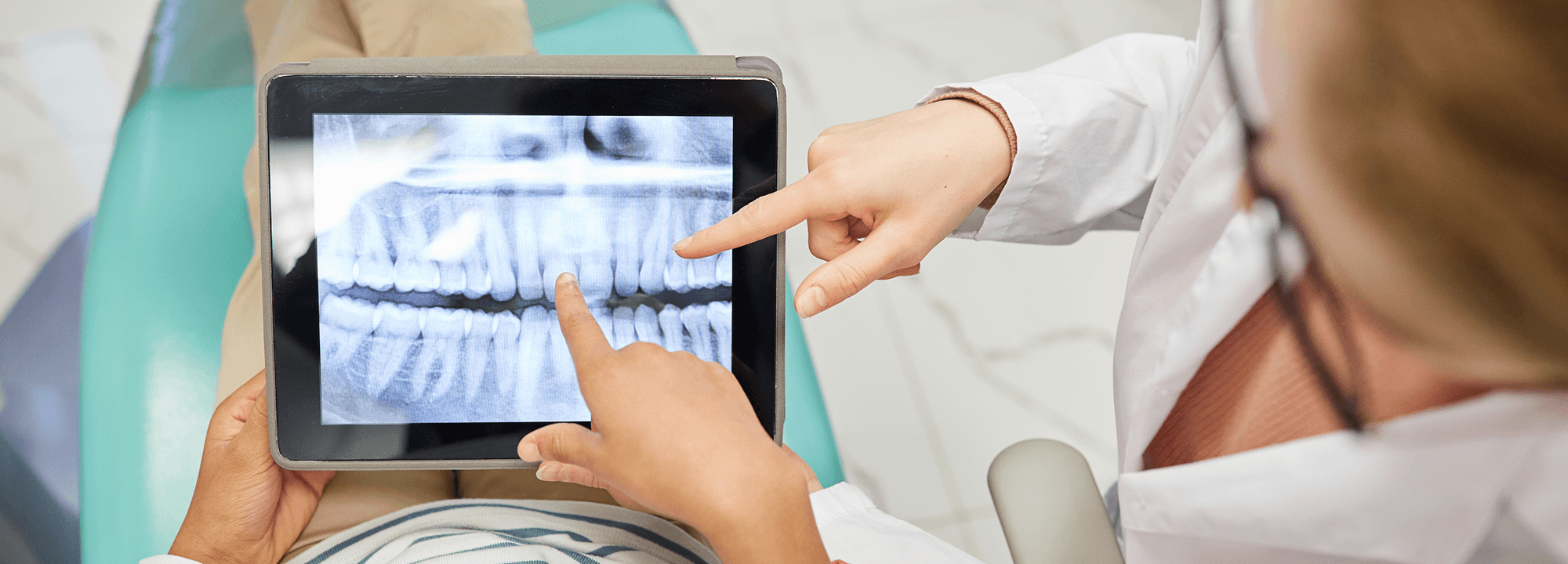

Digital X-rays are a form of dental imaging that uses an electronic sensor instead of film to capture your teeth, gums, and jawbone. The images appear on a screen within moments, showing details a visual exam cannot, such as decay between teeth, root infection, bone loss, and impacted teeth. They use a low dose of radiation and help guide accurate diagnosis and treatment planning. At Canopy Dentistry in Midtown East, digital X-rays help us detect concerns early and plan your care with confidence.
Helps identify concerns early
Detailed, easy-to-review images
Images available within moments
Low radiation exposure
Many dental concerns develop out of sight, beneath the gumline, between teeth, or inside the tooth. Digital X-rays give us a detailed view of these areas, making it possible to identify cavities, infection, and bone loss before they cause pain or require extensive treatment. They help us explain what we see, talk about your options, and track changes in your oral health over time.
Patients of all ages can benefit from digital X-rays, whether they are visiting for a routine exam or addressing a specific concern. During a first visit, we often take X-rays to create a baseline of your oral health, then repeat them at intervals based on your age, history of decay, and gum health. New symptoms like tooth pain, swelling, or sensitivity might need imaging sooner. This also applies to plans for implants, crowns, extractions, or orthodontic care.
Our office serves patients across Midtown East and neighboring Murray Hill, along with those who work near Grand Central or elsewhere in Midtown Manhattan. We review your dental history, explain why each image is recommended, and take only the X-rays your situation calls for.
We review your dental and medical history, any symptoms you've noticed, and past X-rays, then decide which images are needed.
You are seated comfortably in the exam chair while our team explains each step before it begins, so you know what to expect and can ask questions along the way.
A small, smooth sensor is placed inside your mouth, and each image takes only a second or two to capture. Depending on your needs, we may take a few close-up views of specific teeth or a single wide view of the entire mouth.
The images load directly to a computer screen, where we walk you through what they show. Seeing your own images makes it easier to understand any recommendations and ask questions.
We explain whether any treatment is recommended and schedule follow-up care if needed. Your images can be saved to your digital record so they can be compared with future X-rays.
The American Dental Association (ADA) and the Centers for Disease Control and Prevention (CDC) recognize that oral health is closely tied to overall well-being. The ADA and U.S. Food and Drug Administration (FDA) also advise that dental X-rays be based on each patient's individual needs, so we recommend images only when they add useful information.
Brush and floss before you arrive so your mouth feels fresh for the exam.
Bring a list of your current medications and any recent changes to your health.
Bring recent X-rays or dental records from another office, if you have them.
Remove earrings, necklaces, and removable dental appliances if our team asks, so nothing blocks the images.
Hold still while each image is taken, since even slight movement can blur the picture.
Tell our team if the sensor feels uncomfortable so they can reposition it.
Ask our team when your next set of images is due so you can plan.
Canopy Dentistry pairs diagnostic imaging with a patient-first approach to care. Dr. Erica A. Omoyeni takes the time to listen to your concerns, explain her findings, and answer your questions, so every next step feels understandable and unhurried.
Our office at 30 East 40th Street, between Park and Madison Avenues, fits easily around a busy Midtown schedule, and we work with many dental insurance plans and offer flexible financing.
Our team is guided by courtesy, ownership, and lasting relationships with patients. We welcome you warmly, keep you informed, and use digital imaging to support your care while keeping every visit personal. Visit this page now!


Dr. Erica and her staff at Canopy Dentistry were kind, courteous, and professional. A dental visit usually means anxiety, but they put you at ease the moment you walk in. Dr. Erica's manner is informative and reassuring. Highly recommend.
I can’t say enough about the incredible customer service and professionalism demonstrated at this office. From the warmth and welcoming energy that I received from the office manager Emmanuel, I knew that I should expect nothing but superior service.
I had a great experience for my first time visiting this dental office. From when I walked in to when I was exiting, the atmosphere was very welcoming. A dental appointment can sometimes have you feeling anxious and nervous, but I never felt anything but comfortable. Dr. Erica is a delight!
Understanding what is happening beneath the surface helps you make confident decisions about your care. Our team is ready to answer your questions and talk through your options at every stage.
Book your digital X-rays in Midtown East with Canopy Dentistry and take the next step toward a healthier smile.
No. An exam and X-rays serve different purposes and work best together. We check your mouth, bite, and soft tissues in person, then use images to evaluate structures that cannot be seen directly. At Canopy Dentistry, imaging is one part of a complete visit that also includes a conversation about your goals and concerns.
Digital X-rays are not designed to diagnose oral cancer, although they may reveal changes in the jawbone that call for a closer look. Screening relies on a visual and hands-on examination of the lips, tongue, cheeks, and throat. Canopy Dentistry offers oral cancer screening in Midtown East, so ask about adding it to your next exam.
A single digital dental image delivers about as much radiation as you absorb from natural background sources, such as soil and cosmic rays, in a day or less. Our team is glad to answer any safety questions before your images are taken.
Yes, patients can generally request copies of their images, which is helpful when seeing a specialist or changing dental offices. Because digital images are electronic, they are simple to send securely compared with film. Ask our team about your options at your next visit.
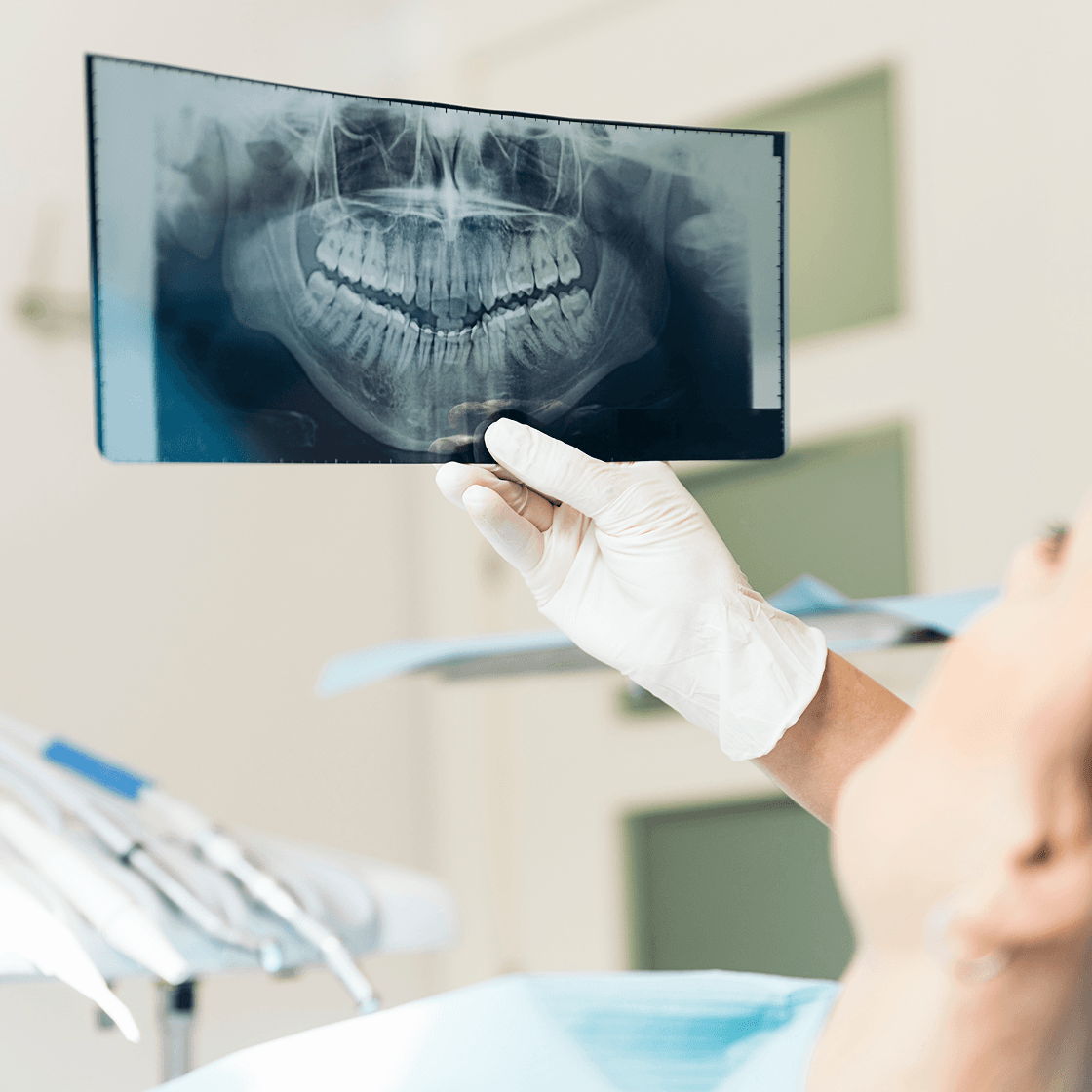
Common types include bitewing X-rays, which show the upper and lower back teeth together, periapical X-rays, which capture a tooth from crown to root, and panoramic X-rays, which show the jaws and surrounding structures in one sweep. Each type answers a different question, so a visit may include one type or a combination. Ask which views are planned for your appointment.
A sensitive gag reflex can make it harder to hold a sensor in place, but small adjustments often help. Breathing slowly through your nose and keeping your tongue relaxed can ease the urge to gag. Let our team know beforehand. We also offer nitrous oxide and IV sedation for patients who need extra support to feel at ease.
Findings do not always mean major treatment. We consider what the images show alongside your symptoms and exam, then outline options that may range from monitoring an area to a filling, crown, or root canal therapy.