

Why an Older Dental Bridge Can Start Feeling Different Even When It Is Not Loose
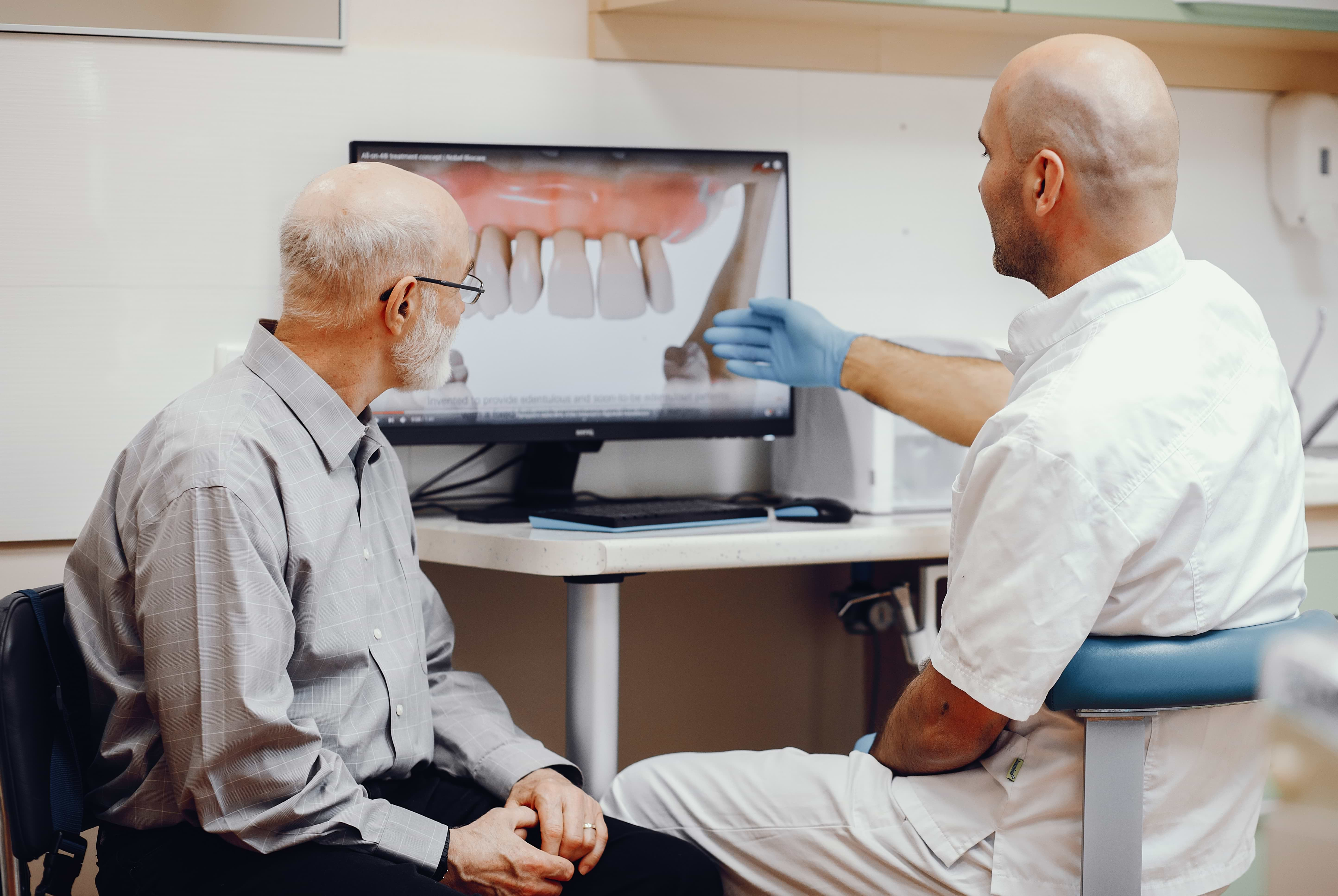
Is your old dental bridge feeling different even though it isn't loose? Canopy explains possible causes, warning signs, and when to see your dentist.
An older dental bridge can feel different without being loose, because the supporting teeth, gums and bite around it change over time while the bridge stays fixed in place. Pressure that once spread evenly can start landing differently.
An old dental bridge feels different most often during chewing, when the bridge and its supporting teeth take the most pressure. The cause usually sits in the anchoring teeth or in how the upper and lower teeth meet. Either can change slowly over time.
Supporting Teeth Can Change Under a Bridge
A bridge is made of two or more crowns on the teeth beside the gap, with false teeth, called pontics, filling the space. Those natural teeth are the abutment teeth, and the whole bridge depends on them.
According to Leeds Teaching Hospitals NHS Trust, supporting teeth can develop problems over the years. These teeth are reshaped to hold the crowns, so they carry extra load beyond their own.
Decay can form along the margin of the bridge, where the crown meets the natural tooth.
The nerve of a supporting tooth can be damaged in a small proportion of cases, and root canal treatment may then be needed for that tooth.
Any change in a supporting tooth alters how the whole bridge feels, even when the bridge itself stays firmly in place, because the bridge moves as one unit.
Bite Pressure Can Shift Over the Years
A bridge is fixed in place, so changes in how the upper and lower teeth meet fall on the bridge and its supporting teeth. Wear, grinding and small shifts elsewhere in the mouth can each alter that contact.
Grinding and Clenching
The National Institute of Dental and Craniofacial Research states that severe grinding can lead to flattened, chipped, cracked or loose teeth, worn enamel and tooth sensitivity. Crowns or other procedures may be needed to repair the damage.
Many people do not realize they grind during sleep, so a bridge can feel different long before the habit is recognized.
Everyday Wear
Teeth and restorations wear gradually through years of chewing, and the contact points between the upper and lower teeth can change as they do.
A bridge that was comfortable when placed may meet the opposite teeth differently today. These changes are gradual, which is why the difference can feel sudden even though the bridge has not moved.
Options When an Old Dental Bridge Feels Different
The right option depends on what has changed, and the choices range from small adjustments to replacement. None is chosen in advance, since the decision follows from what has actually changed in the mouth.
A bite adjustment can reduce uneven pressure by refining how the bridge meets the opposite teeth. A small change at the biting surface can spread chewing pressure more evenly.
Treatment of the supporting teeth, such as managing decay or gum disease, addresses a cause that affects the whole bridge, and root canal treatment is considered when the nerve of a supporting tooth is damaged.
Repair or replacement becomes the option when a bridge shows wear or damage that adjustment cannot resolve. The practice notes that bridges are durable and can last many years with proper care, so replacement is not always the first step.
Bridge Care at Canopy Dentistry in New York, NY
Canopy Dentistry in New York, NY offers crowns and bridges among its restorative services. Bridge treatment at the practice usually takes two or more visits, with a temporary bridge worn while the permanent one is made and the fit adjusted at the final visit.
Dr. Erica A. Omoyeni can look at an older bridge that feels different, and a consultation can show whether an adjustment, repair or replacement suits it. The practice also recommends regular brushing, flossing and dental checkups to protect a bridge over time.